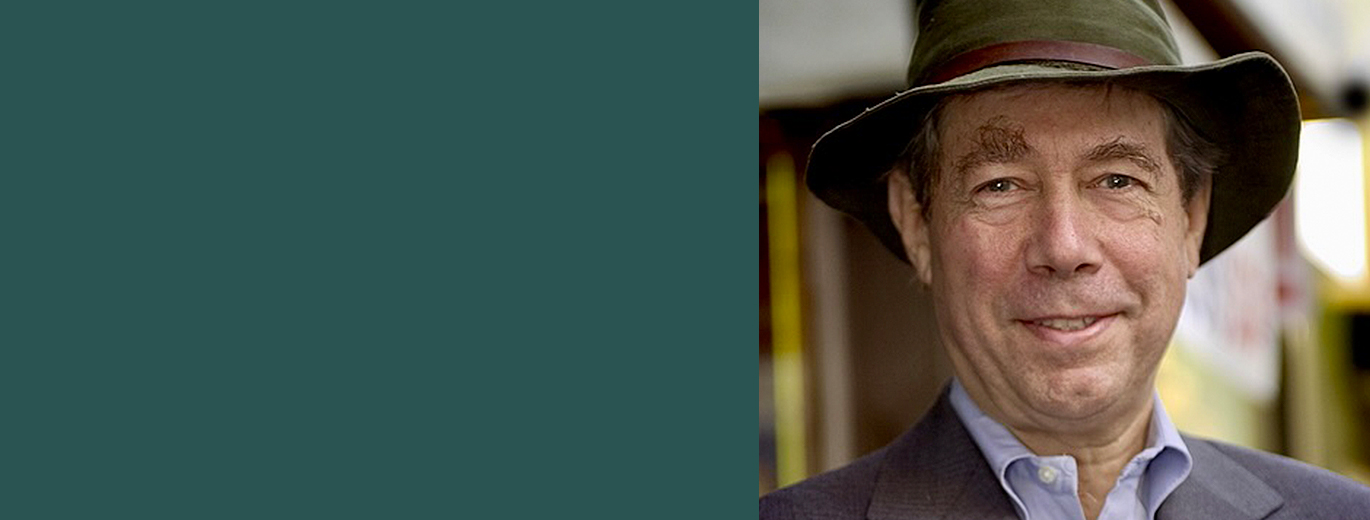
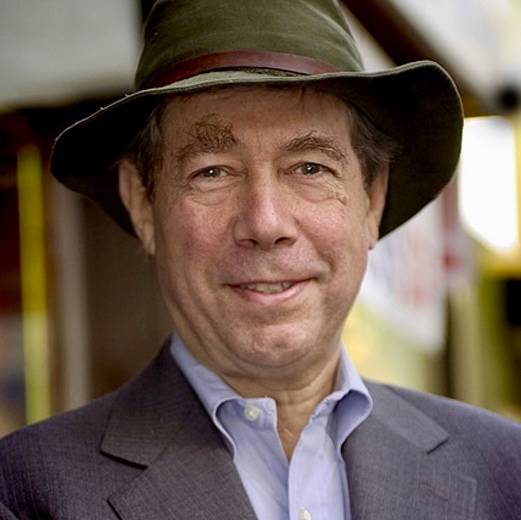
 Walter Beebe, founder and long-time president of The Open Center, passed away following a hiking accident on July 1, at the age of 82. In lieu of flowers, the family requests to please send donations to The Open Center.
Walter Beebe, founder and long-time president of The Open Center, passed away following a hiking accident on July 1, at the age of 82. In lieu of flowers, the family requests to please send donations to The Open Center.
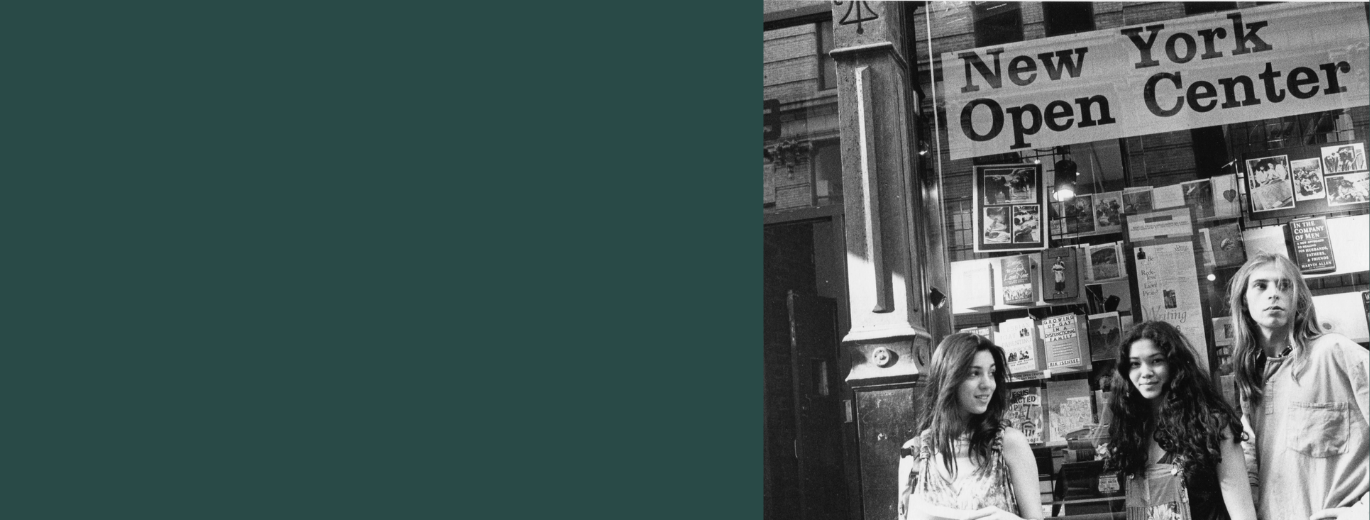
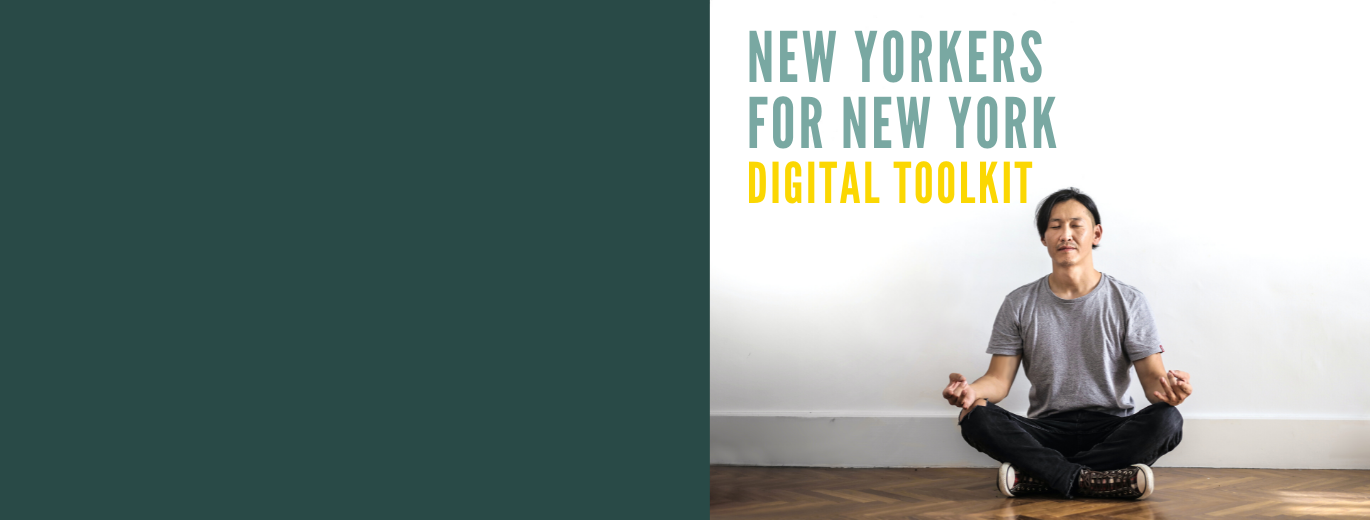


BORN OUT OF THE HEART OF NYC IN 1984, THE OPEN CENTER IS THE LONGEST-RUNNING URBAN HOLISTIC CENTER IN THE COUNTRY.
OUR MISSION IS TO ADDRESS THE REAL-LIFE CHALLENGES OF EXISTENCE THROUGH SPIRITUAL, HOLISTIC AND INTEGRATIVE PRACTICES TO CREATE A HARMONIOUS RELATIONSHIP BETWEEN OURSELVES, EACH OTHER AND THE PLANET.
LEARN MORE ABOUT OUR MISSION AND 38-YEAR HISTORY.
BORN IN THE HEART OF NYC IN 1984, THE OPEN CENTER IS THE LONGEST-RUNNING URBAN HOLISTIC CENTER IN THE COUNTRY.
OUR MISSION IS TO ADDRESS THE REAL-LIFE CHALLENGES OF EXISTENCE THROUGH SPIRITUAL, HOLISTIC AND INTEGRATIVE PRACTICES TO CREATE A HARMONIOUS RELATIONSHIP BETWEEN OURSELVES, EACH OTHER AND THE PLANET.
LEARN MORE ABOUT OUR MISSION AND 38-YEAR HISTORY.
A Flavor of Our Most Recent Programs
FIND YOUR NEXT CLASS OR ADVANCED TRAINING
12 days of gratitude
Abundance
Activism
Acupressure
Addiction
ADHD
Advanced Training
Affirmation
Afterlife
ain
Alexander Technique
Alzheimer’s Disease
Anatomy
Ancestral Patterns
Ancestral Wisdom
Ancient Greece
Ancient Wisdom
Animal Communication
Animals
Antibiotic Resistance
Anxiety
Anxiety & Anger
Anxiety & Stress Reduction
Anxiety and Stress Reduction
Archetypes
Art
Art of Dying
Artist’s Way
Arts
Arts and Creativity
Asana
Asian Medicine
Astrological Chart
Astrology
Attunement
Awakening
Awareness
Ayahuasca
Ayurveda
Aztec Traditions
Balance
Beekeeping
Benefit Event
Bestselling Authors
Biodiversity
Biofeedback
Biofield Science
Biography
Biosonic
Bipolar Disorder
Birth Chart
Body & Soul
Body and Mind
Body Systems
Body Type
Body-Mind
Bodywork
Book Event
Book Launch
Boundaries
Brain
Breath
Breathing
Breathing Exercises
Breathing Practices
Breathing Techniques
Breathwork
Buddhism
Calmness
Cancer Treatment
CBD
CBD & Hemp
Celebration
Celtic Wisdom
Ceremony
Certificate
Certificate of Completion
Certificate Training
Certification
Certification Training
CEs
Chair Yoga
Chakra Healing
Chakras
Chanting
Chinese Medicine
Chronic Pain
Clarity
Cleansing Program
Clinical Application of Psychedelics
Clinical Depression
Clinical Research
CMEs
Collective Grief
Collective Healing
Color Therapy
Communal Experience
Community
Community Building
Community Event
Compassion
Concert
Confidence
Connection
Conscious Partnership
Consciousness
Contemplation
Contentment
Conversations
Cooking & Herbs
Counseling
Counselors
Cranial Unwinding
Craniosacral
Craniosacral Unwinding
Creative Expression
Creativity
Dance
Dealing with Stress
Death Awareness
Death Education
Depression
Detox
Detoxification
Dharma
Diet
Discussion
Distance Viewing
Distant Healing
Documentary
Drawing
Drumming
Dying Process
Earth
Earth Medicine
Easter Medicine
Eastern Tradition
Eastern Traditions
Eclipse
Ecological Health
Ecology
EFT
Elements
Emotional Balance
Emotional Healing
Emotional Intelligence
Emotional patterns
Emotional Release
Emotional Well-Being
Empowerment
End of Life
Energetic Systems
Energetics of Food
Energy Blueprint
Energy Body
Energy Cleansing
Energy Healing
Energy Healing Techniques
Energy Medicine
Equinox
Esoteric Quest
Esotericism
Essential Oils
Exhaustion
Existential Distress
Experiental Workshop
Experiential Course
Experiential Workshop
Extra Sensory Awareness
Eye Health
Feng Shui
Fermentation
fibromyalgia
Film
Fitness
Food
Four Elements
Free
Free Intro
Full Moon
Full Moon Circle
Gong Bath
Green Medicine
Grief
Gunas
Happiness
Harmony
Healing
Healing Emotions
Healing Foods
Healing Grief
Healing Patterns
Healing Power
Healing Properties
Healing Session
Healing with Sound
Health
Health Practitioners
Healthcare
Healthy Food
Heart Energy
Heart Prana
Hearth
Herbal Formulas
Herbal Medicine
Herbal Preparations
Herbal Remedies
Herbal Synergy
Herbal Tea
Herbal Treatment
Herbalism
Herbs
Herbs & Nutrition
Highest Potential
Historic Use of Psychedelics
Historical Research
History
Holding Space
Holistic Education
Holistic Healing
Holistic Health
Honey
Hypnosis
IMAGO
Immune System
Immunity
Improvisation
Indigenous Healing
Indigenous Knowledge
Indigenous Medicine
Indigenous Practices
Indigenous Techniques
Inner Path
Inner Peace
Inner Power
Inner Wisdom
Insomnia
Intensive
Intention
Intentions
Internal Family System
Interview
Intimacy
Intuition
Journaling
Joy
Karma
Karmic Signature
Kundalini Yoga
Lakshmi Voelker
Life Energy
Life Force Energy
Life Path
Life Purpose
Life purpose & Visioning
Lifestyle
Literature
Living & Dying
Longevity
Love
Lucid Dreaming
Lunar Energy
Lungs
Magic Mushrooms
Manifestation
Mantra
Mantras
Martin Luther King
MDMA
Medical Herbs
Medical Intuition
Medical Professionals
Medical Qigong
Medicinal Mushrooms
Medicinal Plants
Medicinal Use
Meditation
Meditiation
Members Event
Membership Event
Memoir
Mental Health
Mental Health Therapy
Microdosing
Mind-Body
Mind-Body. Well-Being
Mindfullness
Mindfulness
Mindfulness Meditation
Modern Medicine
Moon
Moon Cycles
Movement
Mudras
Mushrooms
Music
Mystical Experiences
Mysticism
Mythology
Natural Cycles
Natural Wisdom. Wellbeing
Nature
Nervous System
Neuroscience
Nodal Axis
Novel Therapies
Nutrition
Nutritional Protocols
Nutritionists
ommunity Building
Open Center LIVE
Organic Products
Oriental Diagnosis
Pain
Pain Management
Pain Relief
Palliative Care
Panel Discussion
Past Life Signature
Personal Birth Chart
Personal Development
Personal Growth
Pets
Peyote
Philosophy
Physical Healing
Physical Health
Planets
Plant Energy
Plant Medicine
Polarity Immersion
Polyvagal Theory
Polyvagel Theory
Postures
Prana
Predictions
Prevention
Probiotic Food
Professional Training
Protocols for Treatment
Psilocybin
Psychedelics
Psychic Healing
Psychic Skills
Psychology
Psychosis
Psychotherapy
PTSD
Pulsation
Pulse and Tongue Diagnosis
Purpose
Qigong
Ram Dass
Reality
Rebirth
Recipes
Reflexology
Rehabilitation
Reiki
Rejuvenation
Relationships
Relaxation
Remote Viewing
Renewal
Research
Resilience
Respiration
Respiratory System
Ritual
Rituals
Sacred Ceremony
Sacred Sound
Safety of Psychedelics
Salves and Tinctures
Sattvic Food
Scientific Research
Seasons
Self-Care
Self-Compassion
Self-Discovery
Self-Empowerment
Self-Expression
Self-Healing
Self-Help
Self-Help Technique
Self-Hypnosis
Self-Massage
Self-Nourishment
Self-Protection
Sexual Energy Healing
Shamanic Journey
Shamanic Traditions
Shamanism
silence
Singing Bowls
Social Rights Movement
Songs
Soul
Soul Care
Soul Retrieval
Sound Bath
Sound Concerts
Sound Healing
Spices
Spirit
Spiritual Goals
Spiritual Growth
Spiritual Healing
Spiritual Lineage
Spiritual Path
Spiritual Practice
Spirituality
Storytelling
Strength
Stress
Stress Management
Stress Reduction
Stress Release
Subconscious Mind
Subtle Energy
Sufism
Suicide
Sustainable Growth
Tai Chi
Tantric Techniques
Taoism
Teacher Training
Thanatology
The Art of Dying Institute
The Artist's Way
Therapeutic Approaches
Therapist
Therapy
Tibetan Traditions
Tinctures
Toltec Traditions
Traditional Chinese Medicine
Traditional Use
Training
Tranquility
Transcendence
Transformation
Trauma
Tree Medicine
Tuning Forks
Unconditional Model
Universal Intelligence
Vasana
Vibrations
Visualization
Vitality
Voice
Vortex Healing
VortexHealing
Water Element
Well-being
Western Medicine
Western Traditions
Winter Solstice
Wise Woman
Wonder
World Traditions
Writing
Writing Difficult Topics
Writing Workshop
Yoga
Yoga Posture
Yoga Teacher
Yogic Lineages
Yogic Practices

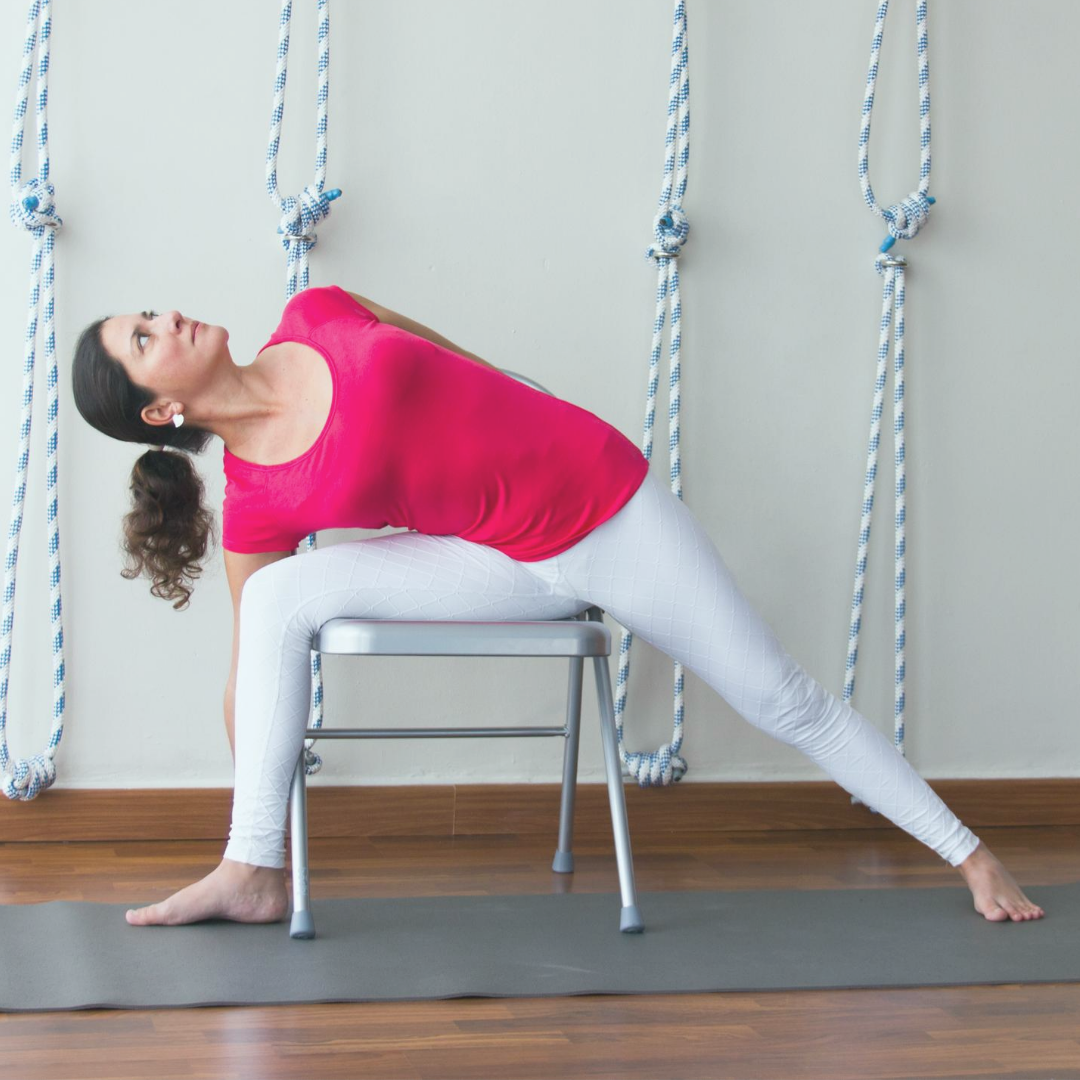
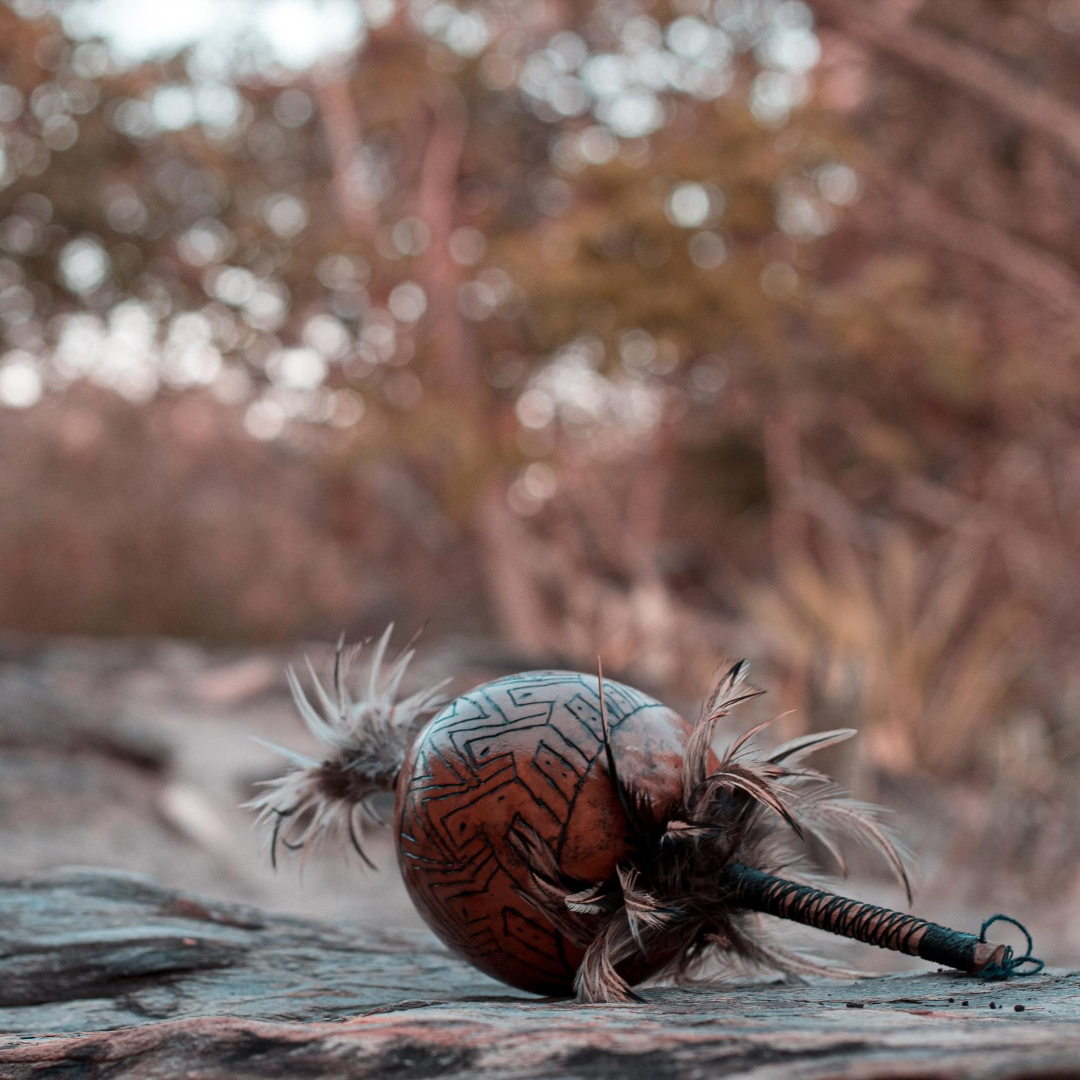
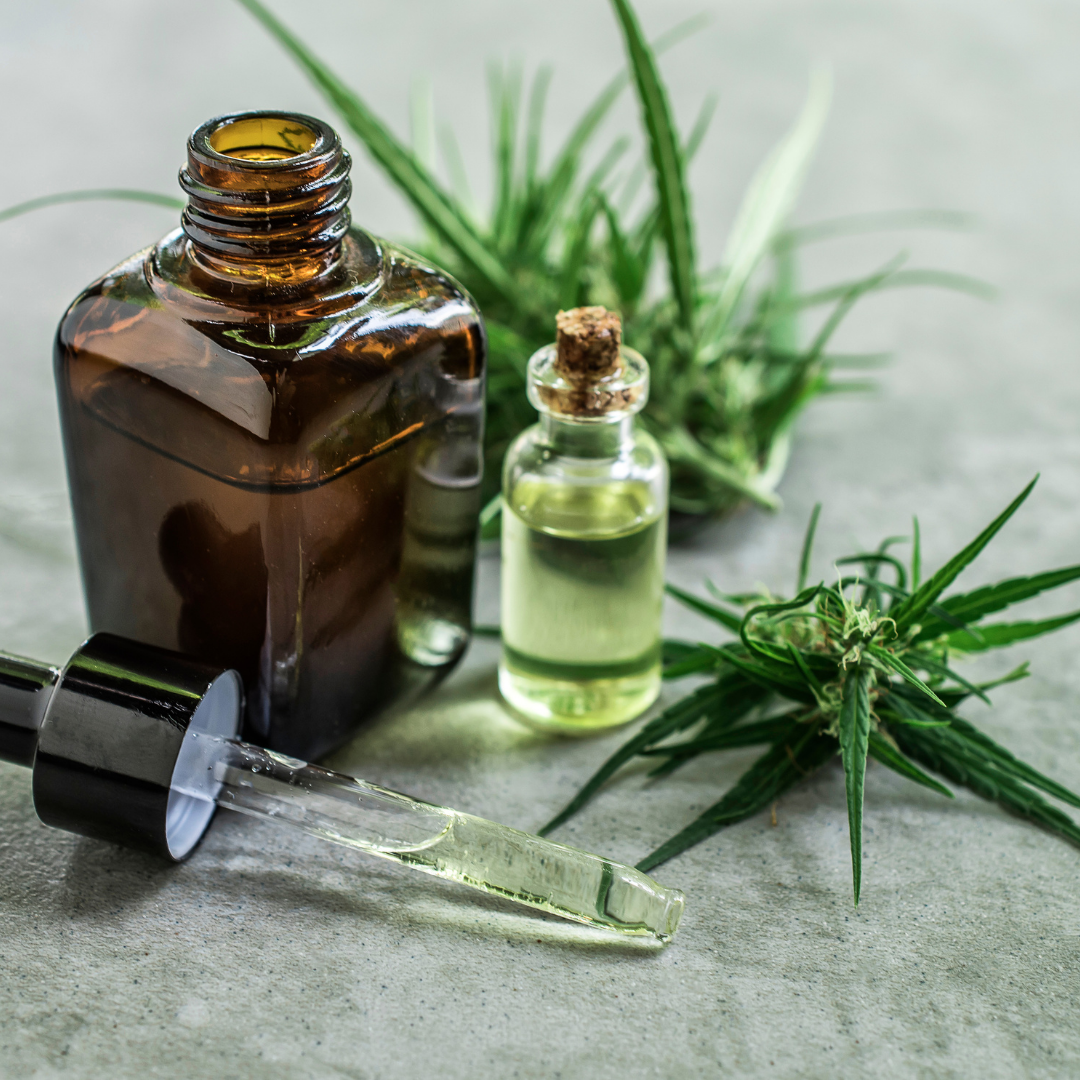
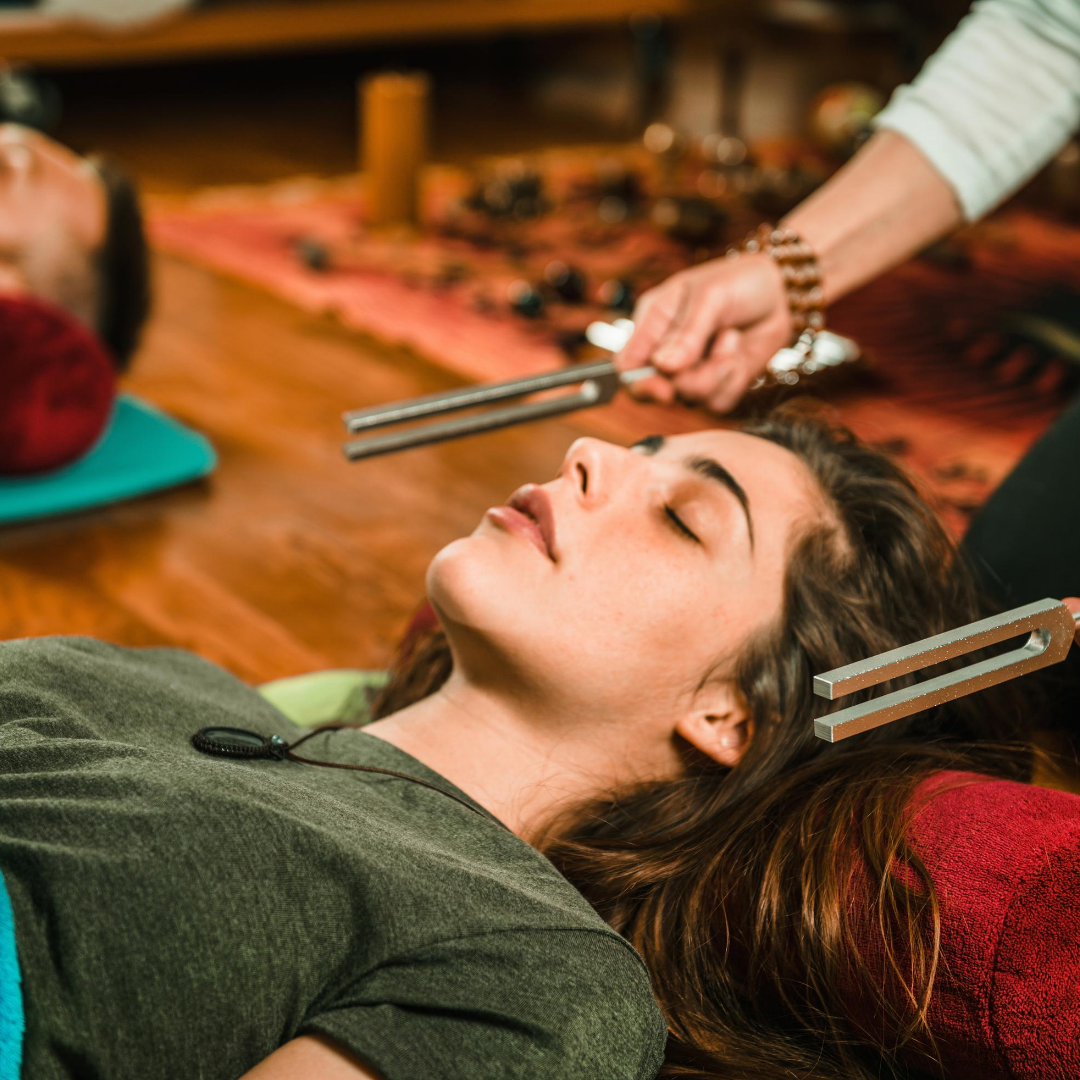
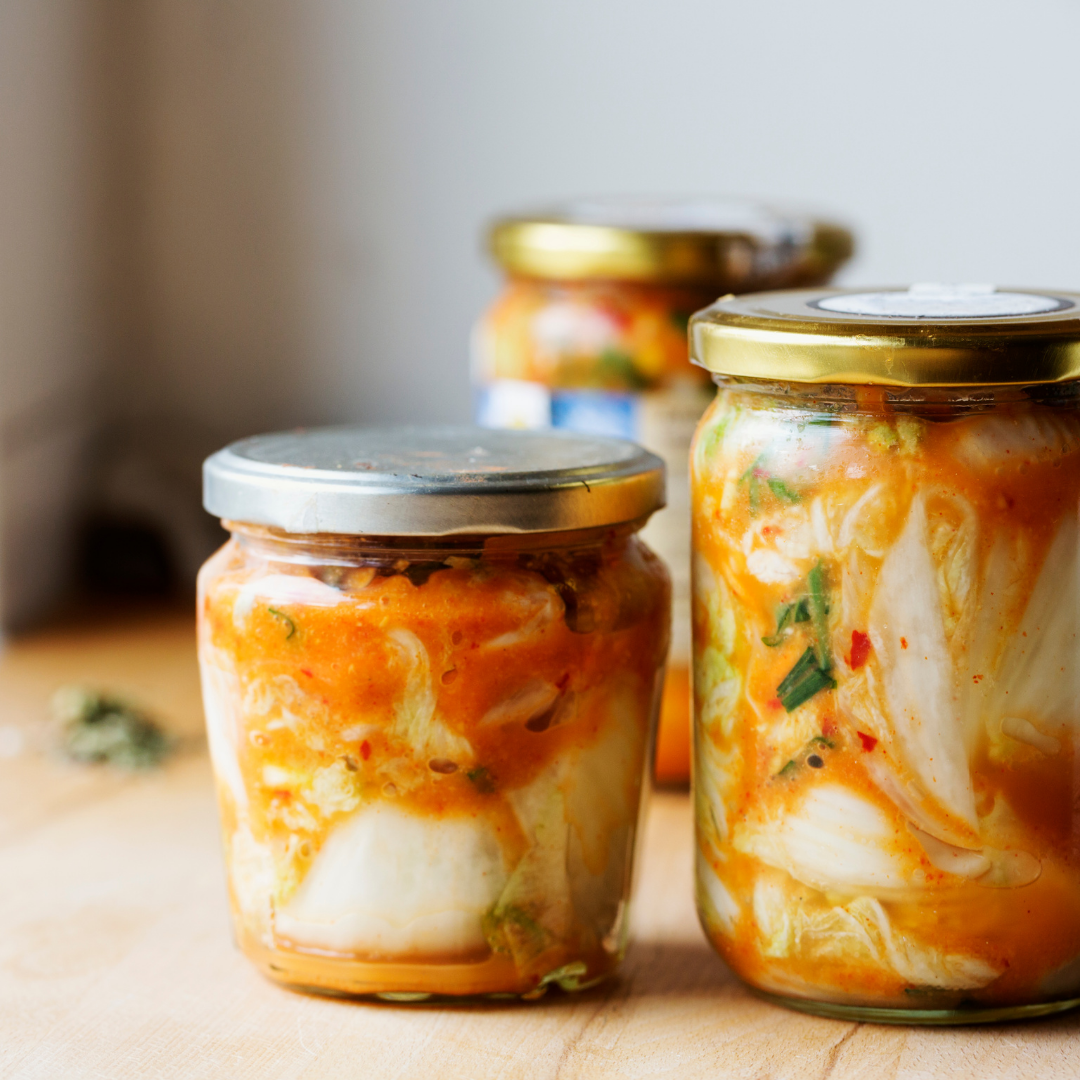







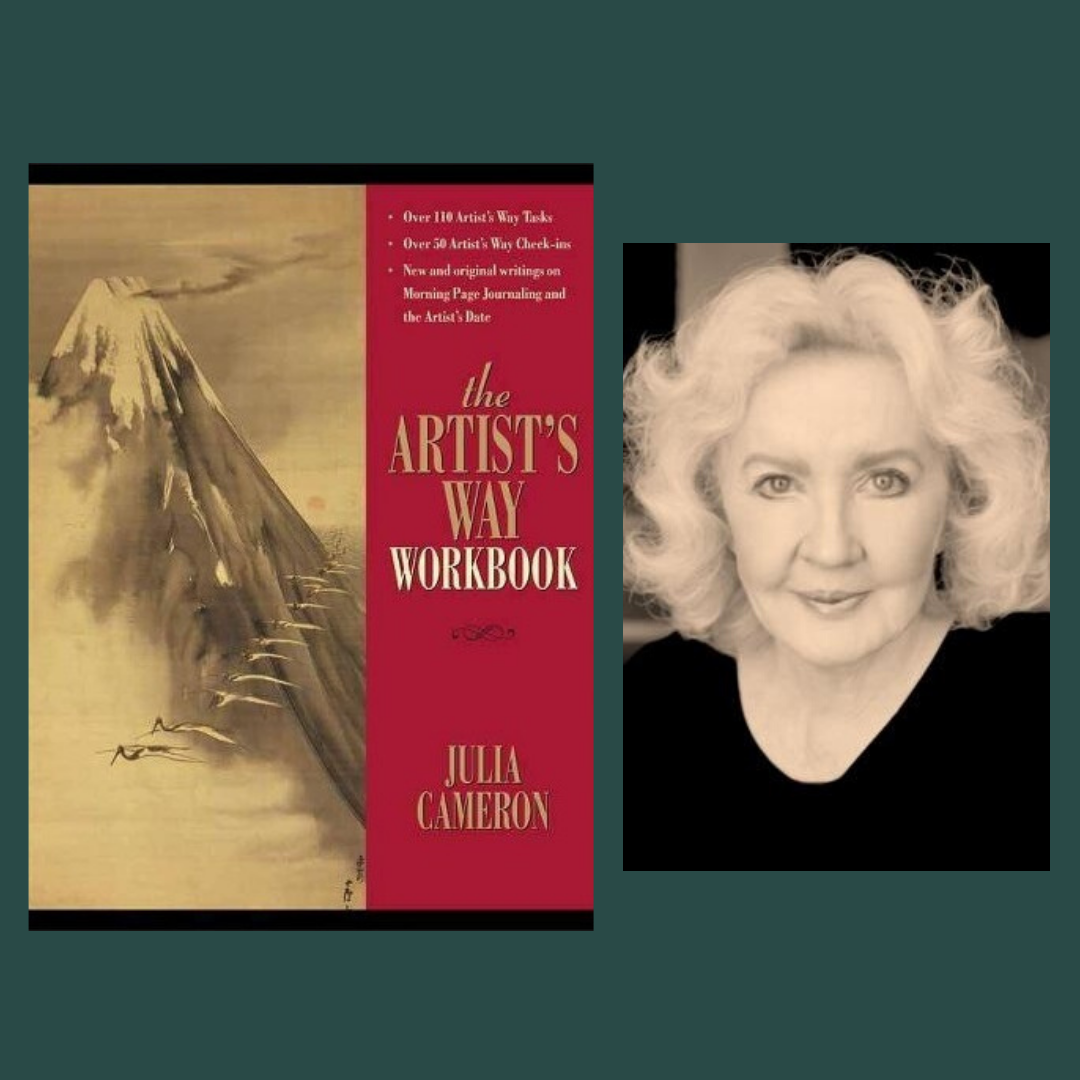
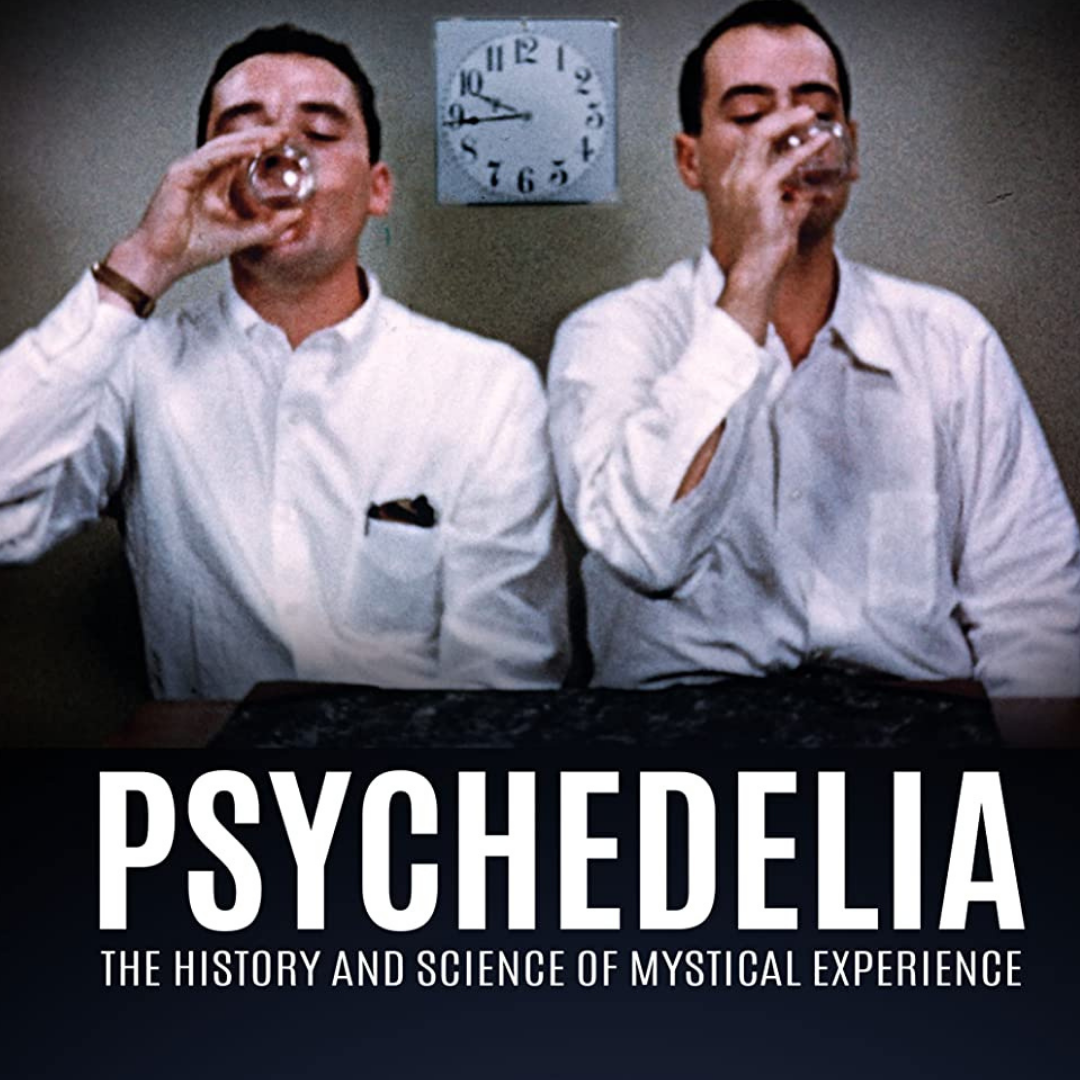






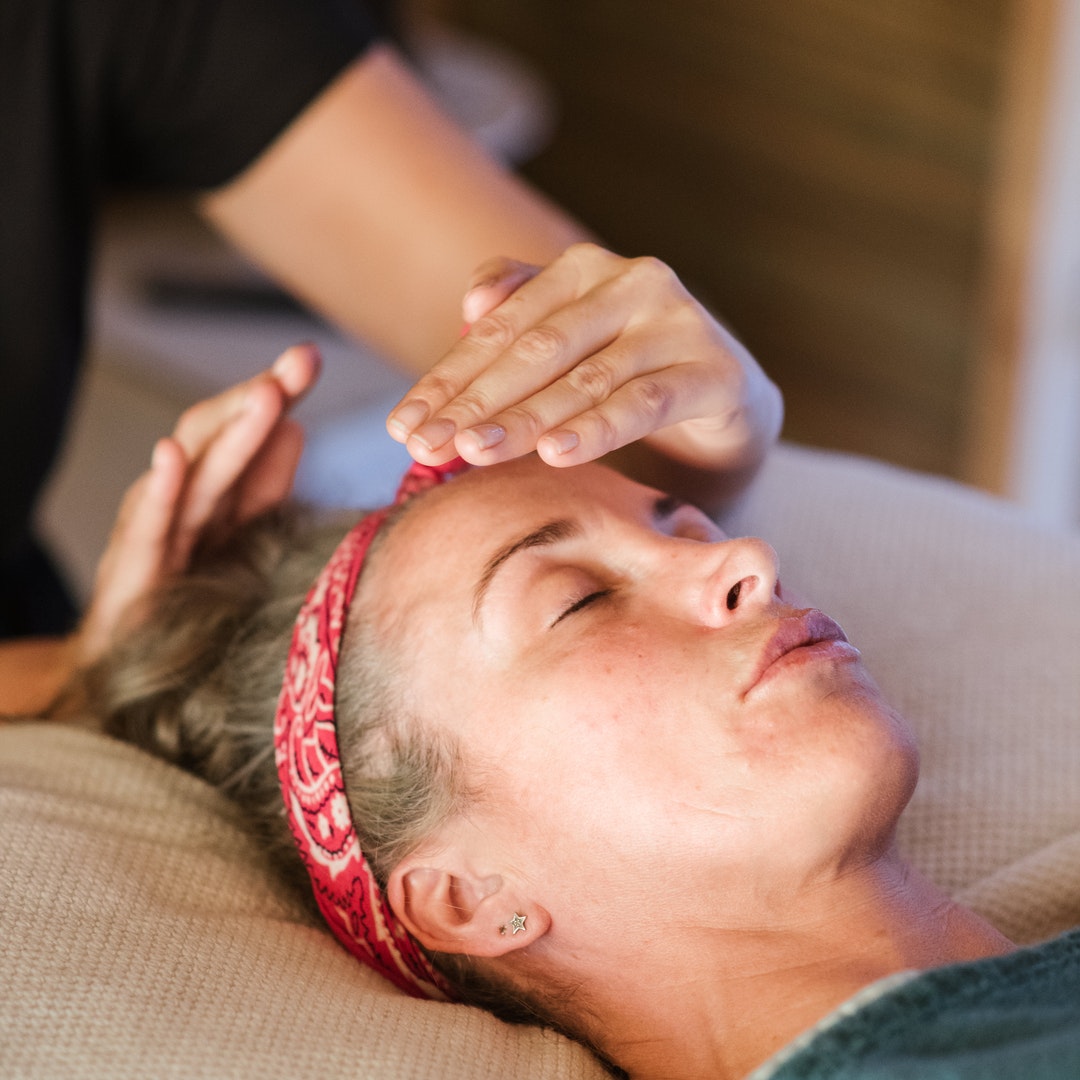

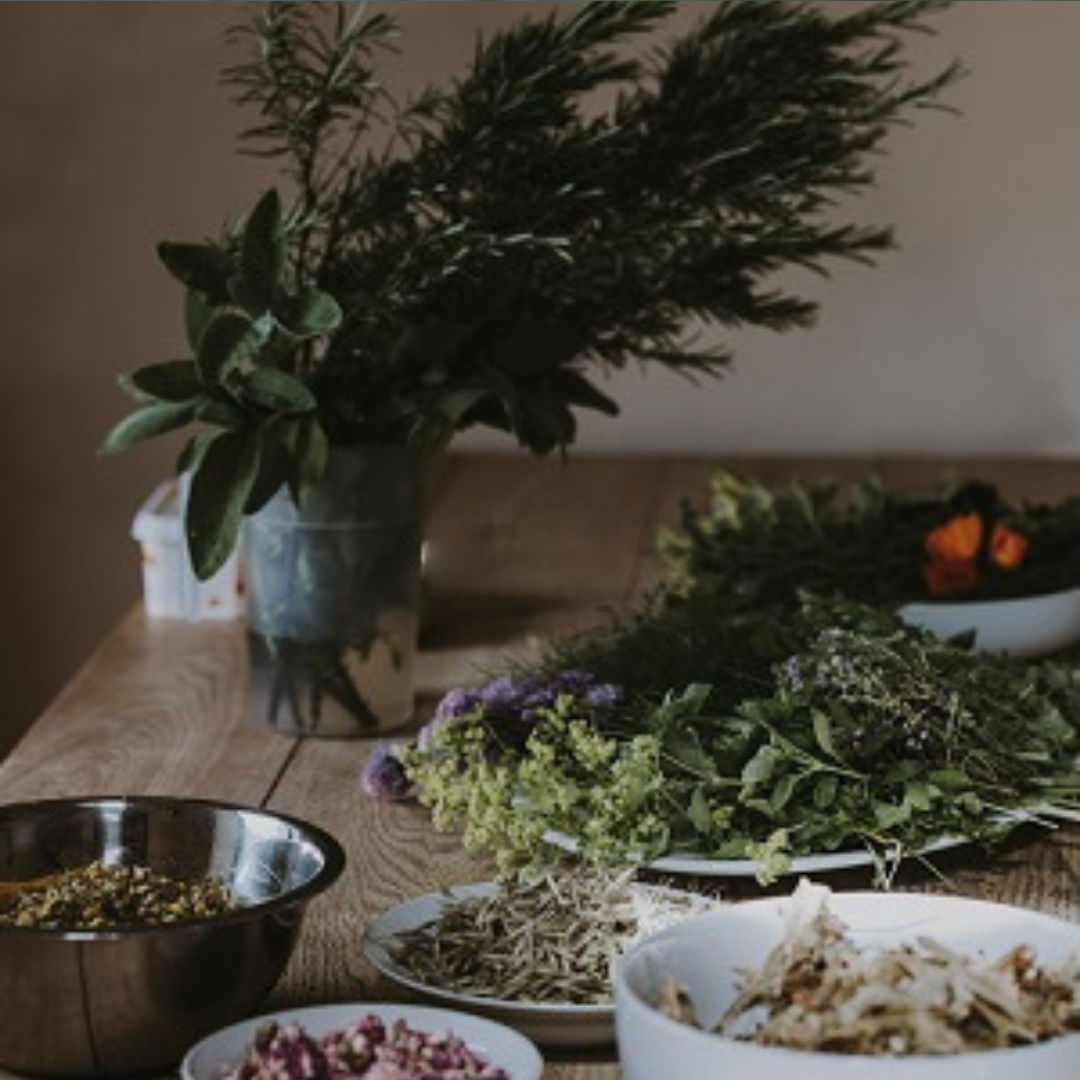
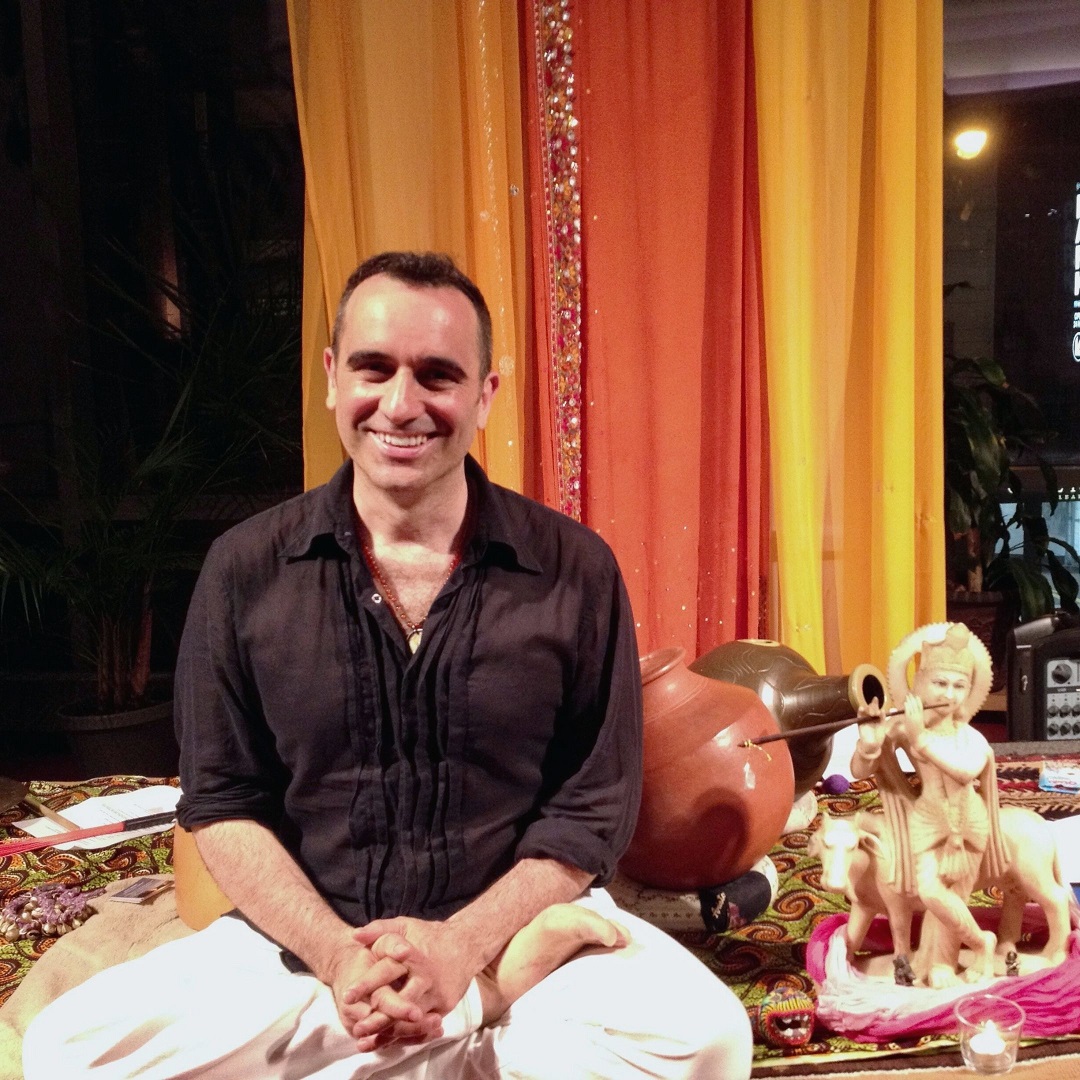
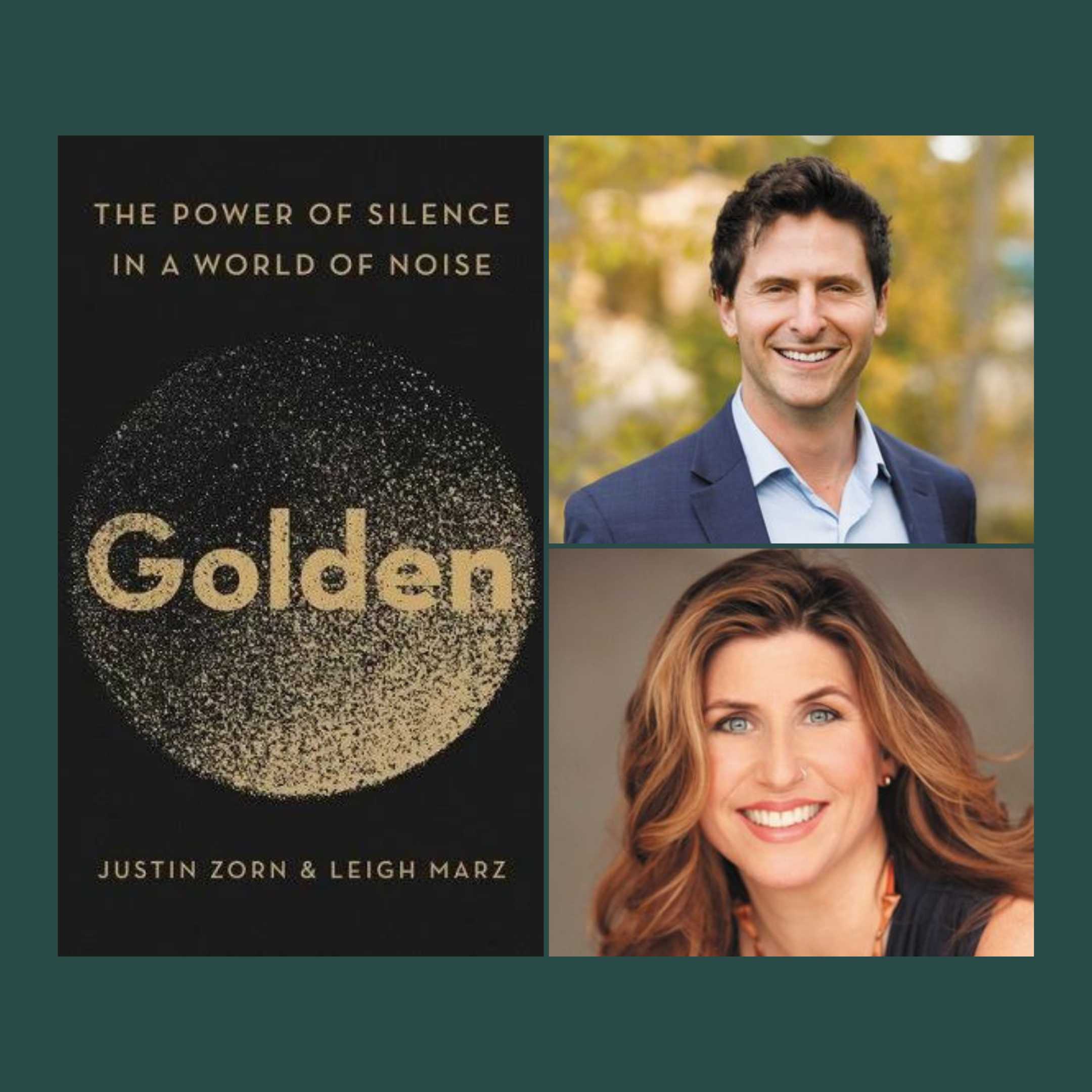

Our Categories
ADVANCED TRAININGS
At The Open Center, we provide a gateway to self-discovery and personal growth. Our advanced trainings range from comprehensive state-certified professional certifications to in-depth holistic and integrative studies. These programs are designed to support your existing practice, help you launch a new business or change careers, or take your passions to the next level.
ADVANCED TRAININGS
At The Open Center, we provide a gateway to self-discovery and personal growth. Our advanced trainings range from comprehensive state-certified professional certifications to in-depth holistic and integrative studies. These programs are designed to support your existing practice, help you launch a new business or change careers, or take your passions to the next level.
DID YOU KNOW?
THE OPEN CENTER WAS FOUNDED IN NYC IN 1984. THE OPEN CENTER IS THE LONGEST-RUNNING URBAN HOLISTIC CENTER IN THE COUNTRY. THE OPEN CENTER HOSTS WEEKLY FACEBOOK LIVES WITH WORLD-CLASS EXPERTS. THE OPEN CENTER IS A 501(c)(3) NON-PROFIT.
FREE COMMUNITY EVENTS
Join our free community events, intended to foster connection and help attune our spirits, including our weekly meditation and sound healing sessions.
THE ESOTERIC QUEST
Now in its 25th year, The Esoteric Quest is one of the world’s leading international conferences and travel series engaged with the rediscovery of the lost or half-forgotten spiritual history of the West. Founded in 1995, it brings together scholars, writers, artists and performers deeply versed in the Western Esoteric Tradition and offers some of the leading events in the world on this profound topic.
GET ON THE LIST
Subscribe to our newsletter to keep up with the latest news and program updates from The Open Center.

The Open Center is a 501(c)(3) non-profit organization. Your tax-deductible donation allows us to continue providing a global community with access to holistic, spiritual and integrative practices. Your generous support preserves important wisdom traditions from around the world. Click Here to donate
OUR PROGRAMS
SUPPORT THE OPEN CENTER
SUPPORT
The Open Center is a 501(c)(3) non-profit organization. Your tax-deductible donation allows us to continue providing a global community with access to holistic, spiritual and integrative practices. Your generous support preserves important wisdom traditions from around the world. Click